

We Treat Tailbone Pain Without Drugs or Surgery
The tailbone (coccyx) is vulnerable to direct and often repeated traumas that can begin early in life. A fall onto the buttocks while walking, climbing, skating or during other athletic activities can cause direct blows that injure this delicate area. Repetitive traumas to the coccyx can occur from prolonged periods of sitting at work, bicycle or horseback riding or similar. Car accidents and a difficult childbirth are also frequent causes of tailbone injuries.
With an early focus on pelvic pain and dysfunction, Clear Passage®️ therapists have successfully treated coccyx pain since 1989. Our therapy is conservative and designed to relieve the pain permanently, without the risks of surgery or the need for pain medications. Studies published in peer-reviewed U.S. and international medical journals attest to our success in this area.
Complete the online Request Consultation form to receive a phone consultation with an expert therapist, at no cost to you, to learn more about non-surgical treatment for coccyx pain and whether it is appropriate for you.
Causes and Frequency of Tailbone Pain
A fall, surgery, accident or any of the examples above can move the tailbone out of its normal alignment and restrict its mobility, causing constipation, tailbone or lower back pain. In these situations, the coccyx may be pushed into an awkward angle. The internal adhesions that form, along with the consequent pulls on support ligaments, muscles and nerves, can cause moderate to debilitating tailbone pain. Reproductive and sexual function can also be affected by this mechanism. Examples of problems can include inability to have an orgasm, difficulty maintaining an erection, decreased libido and infertility. When out of alignment or stuck in a forward position, the coccyx can act like a partly closed door, causing pain with bowel movements, and during deep intercourse for women.
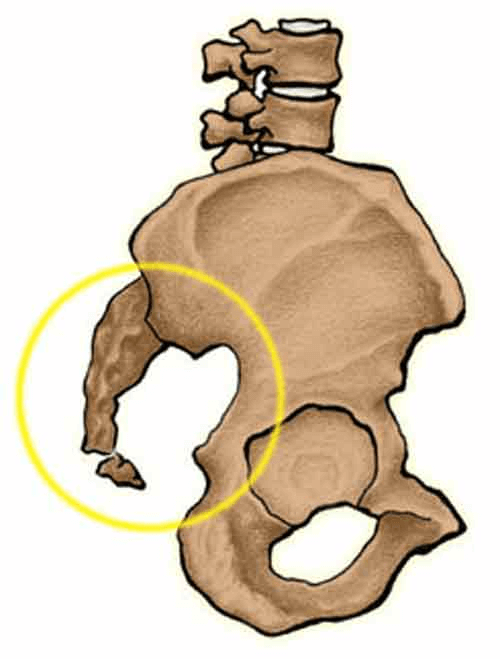
A fall, surgery or accident can move the tailbone out of its normal place, causing constipation, tailbone or lower back pain. In all of these situations, the coccyx may be pushed into an awkward angle. The consequent pull on support ligaments and nerves can cause moderate to debilitating tailbone pain. Reproductive and sexual function can also be affected by this mechanism. Examples of problems can include inability to have an orgasm or difficulty maintaining an erection, decreased libido and infertility.


Symptoms
Tailbone pain (coccydynia or coccygodynia) can affect all aspects of a person’s life and the lives of their families and friends. Pain that persists for more than three months is considered chronic.
Symptoms may include:
- Constipation
- Severe Headaches
- Difficulty with sitting
- Independent or concurrent back pain
- Pain with deep penetration during intercourse (for women)
Treatments
Clear Passage®️ Treatment
Clear Passage®️ therapists have successfully treated tailbone pain since 1989. Many of our tailbone pain patients spend years searching for relief before finding us. For most of them, the search for pain relief ends with significant or total resolution after treatment at one of our clinics.
Our treatment of coccyx pain requires no surgery or medications. We will sometimes perform a slow and gentle stretch at the ligaments on each side of the tailbone, accessed by a gloved finger in the vagina or rectum. We work with tender areas in the pelvic floor muscles that attach to the front of the coccyx (obturator internus, coccygeus, iliococcygeus, pubococcygeus). These are important for many pelvic functions, including bowel movements and continence (the ability to retain bodily waste).
Due to its unique placement in the body, the coccyx can affect functions as diverse as bowel movements and the ability to walk or run symmetrically and without pain. To thoroughly treat this area, we may also address nearby muscles in the buttocks, hips, and lower back, freeing whatever tight and restricted areas we find. For example, the gluteus maximus, which extends the thigh, has strong attachments at the sacrum and coccyx. Freeing the soft tissues in this area of adhesions that developed in response to falls, surgeries, or even poor posture helps us correct any imbalances or restricted mobility of the sacrum, pelvic bones and joints – as well as the coccyx.
Pain in the coccyx sometimes originates from or is exacerbated by problems in other locations. Because of this, we often find it important to treat at the sacroiliac joint (junction of the sacrum and ilia), the hip or the low back.
Our initial goal is to decrease adhesive bonds and any consequent spasm, tightness or tensions in the area. As we do this, bones and joints return to an earlier state of symmetry and improved mobility, one that occurred before problems at the coccyx.
Depending on the patient’s history, adhesions in the low back, hip and coccyx can form over years – or even decades. Thus, as we treat, it can take some time (a few minutes to many minutes) for us to begin to make permanent changes in the body. During that time, the tissues begin to slowly relax; the molecular-chemical bonds that bind collagen fibers together, causing adhesions, appear to dissolve or detach. This process is designed to slowly return the body to an earlier state of pain-free mobility. Simply put, rather than forcing change, we work within your body’s limits.

When working “with” the body and allowing change to happen at the body’s “own pace,” we created more permanent changes. We take the time required to achieve lasting results.
Depending on your goals, we may teach you stretching exercises for the involved muscles, such as those in the pelvic floor, buttocks, hips and lower back. We also provide a home program that may involve exercises to relax and strengthen the pelvic area.
Few clinics or physicians offer treatment for tailbone pain other than medications to mask the pain. While chiropractic adjustments may help temporarily, trying to “force” the coccyx into a more normal position doesn’t generally provide a lasting solution, in our experience. We find that long-term pain resolution requires decreasing the strong, underlying adhesions, that attach to the coccyx, pulling it out of its normal alignment and causing pain or dysfunction.
Clear Passage®️ therapists have extensive experience treating this delicate area. We do so with the patient’s permission, respect for their privacy and comfort, and professionalism. Patients are totally draped to preserve their modesty at all times during this treatment. We explain what we are going to do, the reason it will help and explain what we are doing while we are treating.
Experience relief from debilitating tailbone pain with Clear Passage Physical Therapy’s gentle, non-invasive approach – Request Information and schedule your Free Consultation today to discover how our expert therapists can help you regain comfort and mobility, then visit our Apply to Therapy page to take the first step towards a pain-free life.
Other Treatment Options (Surgery, Drugs)
Most physicians agree that surgery is a treatment of last resort for coccyx pain. While surgery can address adhesions and other mechanical problems, surgery also causes more adhesions to form as the body heals from the surgery. Surgically removing part of the tailbone has brought relief for some; for others, it has brought a lifetime of debilitating pain. If you are considering surgery to remove your coccyx, visit our Avoid Surgery to Remove the Tailbone page.
Testimonials
To read past patient success stories, please visit our Testimonials page.
Related Content:
Chronic Pain
- Back & Hip Pain
- Patient Story: Overcoming Chronic Pain After Multiple Traumas
- Adhesions: The Hidden Cause of Chronic Pain (Infographic)
- Childhood Surgery & Trauma
- Post-surgical Pain and Adhesions
- Anti-Inflammatories and Reducing Inflammation Naturally
- Migraines/Chronic Headaches
- Do I Have Mechanical Migraines?
- Myofascial Pain
- How Does Clear Passage® Therapy Compare to Myofascial Release and Visceral Mobilization?
- Myofascial Pain Syndrome and Fibromyalgia: What Is the Difference?
- Neck Pain
- Pain after Physical or Sexual Abuse
- Pain after Radiation Therapy
- Tailbone (Coccyx) Pain
- Sacroiliac Joint Pain
- TMJ/TMD
If you’d like a free consult, please take 20 minutes and fill out this form and we can determine if therapy would be a good fit for you.