


Bowel obstructions aren’t rare—and it isn’t always random. It often develops quietly over time, tied to chronic disease, prior surgery, internal scar tissue (adhesions), inflammation, or structural changes in the intestines. When the bowel becomes blocked, even partially, the consequences can be severe and sometimes fatal.
What many people don’t realize is how often bowel obstruction affects well-known public figures, bringing attention to a condition that impacts everyday people just as deeply. Looking at these cases helps explain how obstructions form, why they recur, and what warning signs should never be ignored.
This cornerstone guide breaks it down clearly—no medical jargon overload—using real-world examples to make a complex topic easier to understand.
What Is a Bowel Obstruction?
A bowel obstruction occurs when the small or large intestine is blocked, preventing food, fluid, and gas from moving normally through the digestive tract.
Obstructions can be:
- Partial (sub-occlusive) – some material passes, but not enough
- Complete – a medical emergency requiring immediate treatment
Common causes include:
- Surgical adhesions (internal scar tissue)
- Hernias
- Chronic inflammatory bowel diseases (Crohn’s, Ulcerative Colitis)
- Volvulus (twisting of the intestine)
- Diverticulitis-related narrowing
- Tumors or strictures
Famous Bowel Obstruction Cases—and the Lessons Behind Them
These well-documented cases show that bowel obstruction doesn’t discriminate by age, fame, or lifestyle.
Lisa Marie Presley: Adhesions After Weight-Loss Surgery

Cause: Adhesions from prior bariatric surgery
Outcome: Fatal small bowel obstruction at age 54
Lisa Marie Presley’s death brought national attention to a lesser-known risk of abdominal surgery: adhesions. These bands of internal scar tissue can form years—or even decades—after surgery, silently pulling or kinking the intestines until a blockage occurs.
Key takeaway:
Even “successful” surgeries can lead to long-term intestinal complications that appear much later.
To read more, visit Lisa Marie Presley’s Death from Bowel Obstruction. How it could have been prevented.
Pope Francis: Diverticulitis, Adhesions, and a Hernia

Cause:
- 2021: Severe colon narrowing from diverticulitis
- 2023: Hernia over a prior surgical site causing partial bowel obstruction
Pope Francis required two abdominal surgeries at Rome’s Gemelli Hospital, both related to bowel obstruction issues. His case involved:
- Internal scarring (adhesions)
- A hernia forming over a previous incision
- Sub-occlusive (partial) blockage syndromes
Key takeaway:
Prior abdominal surgery increases the risk of future obstructions—especially when adhesions and hernias are involved.
To read more, visit Pope Francis’ Intestinal Blockage Battles How Diverticulitis Surgical Adhesions, and a Hernia Led to Repeated Bowel Obstructions at Rome’s Gemelli Hospital.
Maurice Gibb (Bee Gees): Volvulus

Cause: Volvulus (twisting of the intestine)
Outcome: Fatal bowel obstruction at age 53
Volvulus cuts off blood flow to the intestine, making it one of the most dangerous forms of obstruction.
Key takeaway:
Sudden, severe abdominal pain should never be ignored—especially when accompanied by vomiting or bloating. Seek medical attention immediately!
President Dwight D. Eisenhower: Obstruction During the Presidency
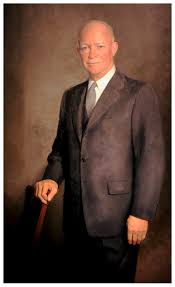
Cause: Bowel obstruction requiring surgery
Outcome: Recovery, but national concern
Eisenhower’s obstruction during his presidency highlighted how urgent surgical intervention can be lifesaving when caught in time. If Clear Passage had been available for treatment at the time, President Eisenhower could have prevented surgery.
Key takeaway:
Prompt diagnosis and treatment dramatically change outcomes.
Cynthia McFadden & Mike McCready: Crohn’s Disease and Obstruction Risk

Condition: Crohn’s disease, which causes strictures or fistulas
Complications:
- Cynthia McFadden required bowel resection surgery
- Mike McCready continues to manage chronic intestinal inflammation
Crohn’s disease causes recurring inflammation that can thicken the bowel wall, narrow the intestinal passage, and increase bowel obstruction.
Key takeaway:
Chronic inflammation often leads to structural bowel changes—not just digestive discomfort.
Rolf Benirschke: Ulcerative Colitis and Temporary Colostomy
Condition: Ulcerative colitis
Treatment: Temporary colostomy
Severe inflammatory bowel disease can result in complications requiring diversion of stool to allow the bowel to heal.
Key takeaway:
Inflammatory bowel diseases can escalate quickly without careful management.
Tamra Judge: Hospitalization for Intestinal Obstruction

Condition: Intestinal obstruction requiring hospitalization
Her case shows that bowel obstruction doesn’t only affect those with known chronic disease—it can happen suddenly and disrupt life without warning.
Key takeaway:
Abdominal pain that doesn’t resolve deserves immediate medical evaluation.
To read more, visit Tamra Judge’s Health Scare: Unraveling the Mystery of Intestinal Obstruction.
Common Warning Signs of Bowel Obstruction
If you or someone you care about experiences these symptoms, don’t “wait it out”:
- Persistent or cramping abdominal pain
- Severe bloating or abdominal distension
- Nausea and vomiting
- Inability to pass gas or stool
- Sudden changes in bowel habits
These may be a sign of blocked bowel, even if symptoms come and go.
Why Adhesions Are the Silent Culprit
Across many of these cases, adhesions are the recurring theme. They:
- Form after surgery, infection, or inflammation
- Don’t show up on standard imaging easily
- Can worsen over time
- Are the leading cause of small bowel obstruction
This is why some patients experience repeat obstructions, even after “successful” surgery.
Final Thoughts: Awareness Changes Outcomes
From pop icons to presidents, bowel obstruction has altered—and ended—lives. The common thread isn’t fame; it’s delayed recognition, underlying inflammation, and unresolved scar tissue.
Understanding the causes, recognizing early symptoms, and knowing your personal risk factors can make the difference between:
- Monitoring vs. emergency surgery
- Recovery vs. recurrence
If you’ve had abdominal surgery, live with inflammatory bowel disease, or experience unexplained digestive symptoms, your body may already be telling you something important.
Listening early can change everything.
Adhesions and internal scar tissue are the most common causes of bowel obstructions, often forming after surgery, infection, or inflammation, and silently restricting how the intestines move. Clear Passage Physical Therapy addresses this root problem with a non-surgical, drug-free approach known as the Wurn Technique, which focuses on gently breaking down and loosening adhesions throughout the abdomen. By restoring mobility to the intestines and surrounding organs, this hands-on therapy can improve bowel function, reduce pain, and lower the risk of recurring obstructions—without creating new scar tissue the way surgery often does. For many people facing chronic or repeated blockages, Clear Passage offers a proactive option that treats the cause, not just the symptoms.