


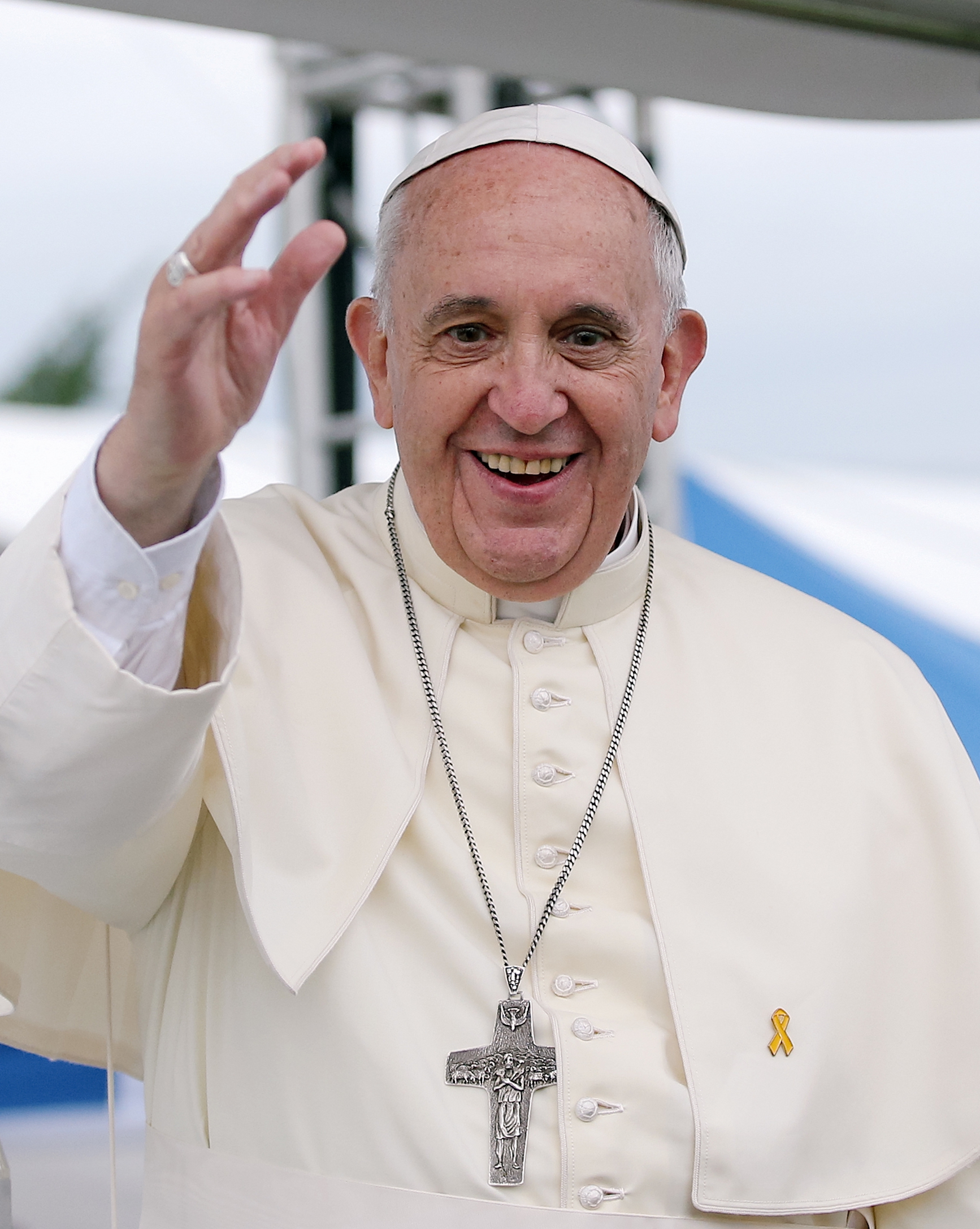
Surgery for Pope Francis at Rome’s Gemelli Hospital shows how diverticulitis, postoperative adhesions, and a hernia over a prior incision can produce repeated bowel obstructions; you’ll learn how a narrowed colon and internal scarring interact, why reoperation may be needed, and how conservative care can aid recovery.
Overview of Pope Francis’ Health Issues
When you follow the chronology, the pattern is clear: a severe colon narrowing from diverticulitis in 2021 with a surgical resection of the damaged tissue and a hernia over a prior incision in 2023, both treated at Rome’s Gemelli Hospital, produced repeated sub-occlusive (partial SBO) episodes. Internal scarring (adhesions) between surgeries repeatedly tethered bowel loops, raising the risk of obstruction, and targeted rehabilitation approaches.
Manual adhesion-release techniques used by clinics like Clear Passage® Physical Therapy could have been used to reduce recurrence and aid in his recovery.
History of Diverticulitis
In 2021, Pope Francis’s diverticulitis was worsening, which caused a marked stenosis of the colon that required surgical intervention at Gemelli; this narrowing significantly increased the chance of bowel obstruction and set the stage for subsequent adhesion formation. Postoperative monitoring focused on bowel function because a single severe diverticular episode can lead to scarring that narrows the luminal diameter long-term, and surgical intervention can cause additional adhesions.
Impact of Surgical Adhesions
After abdominal surgery, you can develop adhesions that bind the intestine to itself or the abdominal wall, and in this case, those adhesions contributed to recurrent partial blockages documented between 2021 and 2023. Adhesions often present as intermittent pain, bloating, and sub‑occlusive signs, complicating recovery and sometimes necessitating adhesiolysis (the surgical removal of adhesions) or hernia repair when conservative care fails.
Given that the 2023 hernia occurred over a prior surgical site, the Pope’s risk of recurrent obstruction increases because the herniated segment can snag on adhesions; surgeons at Gemelli addressed both the hernia and obstructive mechanics.
Non‑surgical options aimed at reducing adhesion severity, such as specialized hands-on manual therapy and guided scar‑mobilization protocols offered by Clear Passage®, are frequently considered instead of surgical planning to improve intestinal mobility and reduce future blockage episodes.
Understanding Bowel Obstructions
You should view bowel obstruction as a mechanical or functional barrier to intestinal flow; in Pope Francis’ case, a 2021 diverticulitis-induced colonic stricture and a 2023 hernia over a prior incision-both treated at Gemelli-produced repeated partial and complete blockages driven by scarring and altered anatomy.
Definition and Causes
You can classify obstructions as mechanical (adhesions, strictures, hernias) or functional (ileus); the Pope’s 2021 severe colon narrowing from diverticulitis created a fixed stricture, while postoperative adhesions and a hernia at a previous surgical site in 2023 produced intermittent partial (sub-occlusive) episodes requiring surgery at Gemelli.
Symptoms and Diagnosis
Some of the most common bowel obstruction causes and symptoms are crampy abdominal pain, bloating, nausea, vomiting, and reduced stool or gas passage; partial obstructions give intermittent symptoms, and clinicians rely on CT scans to locate a transition point, abdominal X-rays for dilated loops, and endoscopy to evaluate diverticular strictures.
Labs showing dehydration or electrolyte shifts in prolonged cases, and clinicians should use serial exams plus imaging to decide between conservative management (IV fluids, nasogastric decompression), manual therapy, and operative repair. Instead of surgery, therapies like Clear Passage’s® manual adhesion-release techniques can be integrated to improve mobility and reduce recurrent obstruction risk.
The Role of the Gemelli Hospital
You’d expect a tertiary center like Rome’s Gemelli to coordinate both the 2021 surgery for severe colonic narrowing from diverticulitis and the 2023 repair of a hernia causing sub‑occlusive syndromes, each complicated by adhesions over a prior incision; its imaging, perioperative ICU support, and multidisciplinary surgical teams managed acute care and planned staged recovery under one roof.
Facilities and Expertise
When you consider facilities and expertise, Gemelli offers a dedicated colorectal unit, advanced laparoscopic and open‑surgery suites, interventional radiology, and 24/7 ICU coverage; surgeons routinely perform complex adhesiolysis-adhesions form in up to ~90% of abdominal procedures-while allied teams in nutrition and physiotherapy support faster postoperative mobilization.
Previous Surgical Interventions
In 2021, Pope Francis underwent a resection to relieve severe narrowing from diverticulitis, followed in 2023 by hernia repair over the previous incision that produced recurrent partial obstructions; these sequential interventions illustrate how emergency and elective surgeries at the same site amplify internal scarring and complicate later bowel function.
Adhesions after multiple abdominal operations make repeat obstructions more likely: combining diverticular resection with subsequent hernia repair over the same scar creates dense scar planes that tether bowel loops. You can complement hospital care with targeted approaches.
The 2021 Surgery: A Turning Point
In 2021, surgeons at Rome’s Gemelli Hospital addressed a severe diverticulitis-related narrowing of the colon with a definitive operation that relieved the obstruction and re-established bowel continuityand adhesiolysis reduced immediate obstruction risk but left the intra-abdominal environment prone to future adhesion-related symptoms that later contributed to additional procedures.
Details of the Procedure
Pope Francis’ surgical team performed a segmental colectomy to remove the stenotic portion and carried out meticulous adhesiolysis (adhesion removal), reconnecting the bowel by primary anastomosis under general anesthesia; intraoperative notes described dense scarring around the diseased sigmoid, and the surgical goals were to restore lumen diameter while minimizing further trauma that could promote new adhesions.
Outcomes and Recovery
Postoperatively, the obstruction was resolved, and you would expect monitored return of bowel function, progressive dietary advancement, and several days to weeks of inpatient and outpatient recovery at Gemelli; clinicians focused follow-up on recurrent partial obstructive signs, nutritional status, and staged increases in activity to detect any early adhesive complications.
For longer-term rehabilitation, you can pursue targeted manual therapy to address adhesion-related restrictions: Clear Passage® uses site-specific visceral mobilization, scar and myofascial release, and movement retraining to improve intestinal mobility and reduce tethering; many patients report improved comfort and function over months, though ongoing surgical and gastroenterology follow-up guides decisions if obstructive symptoms recur.
The 2023 Hernia and Subsequent Challenges
Description of the Hernia
In 2023, Pope Francis had an incisional hernia formed over the prior surgical site at Rome’s Gemelli Hospital, producing recurrent sub‑occlusive (partial blockage) syndromes that compounded the colon narrowing from the 2021 diverticulitis episode. Scar tissue and adhesions tethered loops of bowel, intermittently obstructing transit and prompting another operation to relieve symptoms and protect bowel viability. Clear Passage® Therapy may have been a viable alternative to another surgery.
Implications for Future Health
For your future health, this combination-diverticulitis‑related stenosis, adhesions, and an incisional hernia-raises the risk of repeat obstruction, chronic abdominal pain, and potential additional surgeries; ongoing surveillance and activity modification are needed. You may also benefit from targeted rehabilitation to restore abdominal and visceral mobility and reduce symptomatic recurrence after surgical repair at Gemelli.
More specifically, you should expect coordinated follow‑up: imaging to monitor luminal patency, clinical exams for hernia recurrence, and conservative options like manual adhesion‑release therapy to improve bowel glide.
Psychological and Emotional Impact
Facing two major abdominal surgeries in three years – the 2021 colon narrowing from diverticulitis and the 2023 hernia-related sub-occlusive episodes at Gemelli – could have caused anxiety, loss of autonomy, and performance pressure converge; repeated hospitalizations and the threat of adhesion-related obstructions often produce sleeplessness, hypervigilance about bowel obstruction diet and symptoms, and the strain of delegating high-profile duties while recovering. Pope Francis probably relied on his spiritual life during this difficult time.
Coping with Chronic Health Issues
Given that adhesions form in up to 90%+ of patients after abdominal surgery, therapies that focus on scar tissue management and visceral mobility can matter.
The Pope’s Perspective on Suffering
Pope Francis publicly framed suffering as both relational and redemptive while insisting on responsible medical care; after the 2021 and 2023 operations at Gemelli, he expressed gratitude to clinicians and accepted therapeutic interventions to relieve obstruction and restore function, modeling a balance between spiritual meaning and practical healing.
You can draw deeper lessons from how his stance reshapes expectations: by speaking openly about pain and recovery after two operations in three years, he normalizes seeking timely treatment, delegating duties when needed, and engaging in rehabilitation. That openness reduces stigma for those with chronic intestinal issues, encourages integration of medical, surgical, and rehabilitative strategies, and highlights how conservative approaches – including specialized manual therapy for adhesions and hernia recovery – can be part of a broader, faith-affirming path to restored daily function.
To wrap up
With this in mind, Pope Francis’s episodes show how diverticulitis, surgical adhesions and hernias can repeatedly provoke bowel obstruction, and those obstructionscan benefit from targeted rehabilitation that addresses scar tissue and organ mobility; Clear Passage® Physical Therapy offers evidence-based, hands-on adhesion release, scar mobilization and individualized programs to reduce obstruction risk, restore abdominal mobility and support recovery whether you seek non-surgical options or postoperative rehab to help prevent future blockages.
If you’ve experienced bowel obstructions caused by surgical adhesions, you know how disruptive and painful they can be — unpredictable flare-ups, cramping, bloating, and trips to the emergency room can take over your life. Additional surgeries will cause more scar tissue and adhesions. Clear Passage® offers a hands-on, non-surgical approach that targets the root cause: the internal scar tissue creating those blockages. Their specialized Wurn Technique® gently loosens adhesions, helping your intestines move freely again and reducing the risk of future obstructions. For anyone ready to break the cycle of pain and uncertainty, this therapy provides a safe, natural, and effective path to reclaim comfort, digestion, and everyday freedom.